


Dual-fuel ship investment surpasses US$200bn
More than 500 dual-fuel ships are operating worldwide as shipping companies expand investment in alternative-fuel vessel technology
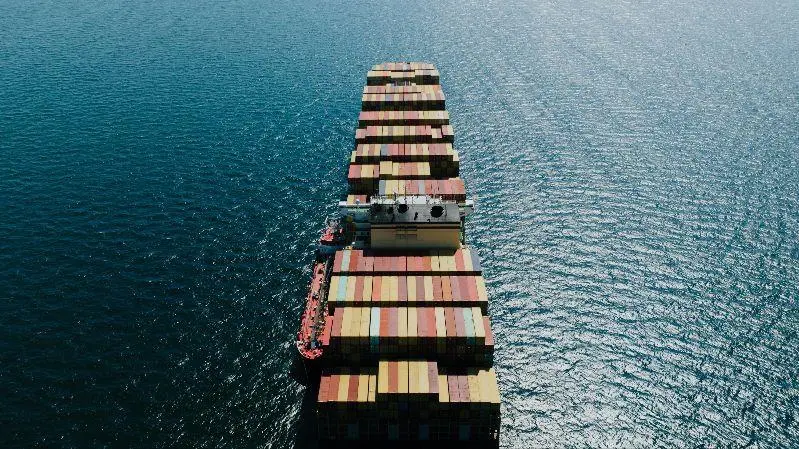
More than 500 dual-fuel container ships and vehicle carriers are now operating worldwide, with investment in vessels delivered and on order exceeding US$200 billion, according to the latest World Shipping Council (WSC) Dual-Fuel Fleet Dashboard.
As of September 2026, 503 dual-fuel ships were in service, up 41% from 358 a year earlier. A further 849 vessels are on order, bringing the combined fleet delivered or contracted to 1,352 ships designed to use conventional marine fuels or alternatives, including renewable and lower-emission options.
Joe Kramek, president and chief executive of the WSC, said: “The container ship and vehicle carrier industry have committed more than $200 billion to ships that can run on cleaner fuels, with more than 500 already sailing and hundreds more on the way.” He added that commercially competitive alternative fuels were needed to realise the vessels’ emissions-reduction potential.
Alternative-fuel-capable vessels account for 65% of container ship orders and 97% of vehicle carrier orders, measured by deadweight tonnage. Across the rest of the global shipping fleet, the figure stands at 23%, highlighting the stronger adoption of dual-fuel technology in these two sectors.
However, orders for conventional-fuelled ships have also increased compared with a year ago, as the overall orderbook expands. The WSC links the uncertainty surrounding greenhouse gas regulation at IMO to the challenges facing long-term investment decisions.
The council supports a global emissions measure aligned with the IMO’s 2023 greenhouse gas strategy, arguing that consistent international rules would help narrow the cost gap between conventional fuels and renewable or near-zero-emission alternatives.
Kramek said shipping companies and fuel producers needed regulatory certainty to invest in vessels, fuel production and supply infrastructure. Without a global framework, the industry risks a patchwork of regional emissions requirements that could increase costs and complexity for international trade.
Related Articles
 ALTERNATIVE FUELS & LUBRICANTS
 ALTERNATIVE FUELS & LUBRICANTS
 ALTERNATIVE FUELS & LUBRICANTS