



EU backs mandatory Arctic shipping fuel rules
EU Arctic Strategy backs binding black carbon rules for shipping, strengthening calls for cleaner fuels and wider emissions controls
The European Union has pledged to support binding IMO regulations to reduce black carbon emissions from shipping in the Arctic, prompting environmental groups to urge governments to back proposed mandatory cleaner-fuel requirements.
The EU’s new Arctic Strategy calls for existing voluntary guidelines on black carbon to become binding regulations and advocates extending coverage to wider Arctic waters above 60° north latitude. The move comes as the IMO considers a proposal requiring ships operating in Arctic waters to use cleaner fuels.
“With a proposal for mandatory regulation for ‘polar fuels’ currently on the table at the IMO, the EU ambition to cut black carbon from Arctic shipping comes at the perfect moment,” said Dr Sian Prior, lead advisor to the Clean Arctic Alliance.
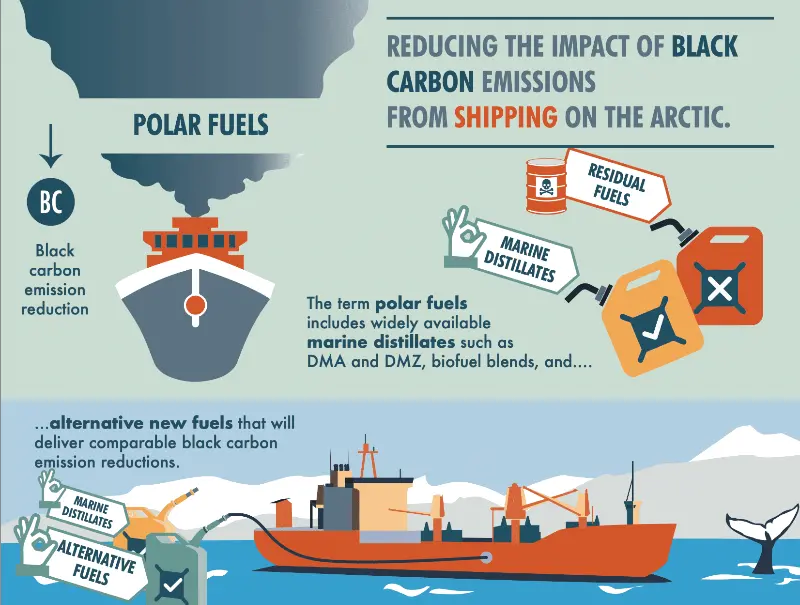
The polar fuels proposal, led by Denmark and supported by Greenland, Germany, France and the Solomon Islands, would require cleaner distillate fuels, such as marine gas oil, or emerging zero-carbon alternatives. It would restrict the use of residual fuel blends and heavy fuel oil, including when used with exhaust gas scrubbers.
Black carbon is produced by incomplete combustion of fossil fuels. When deposited on snow and ice, it reduces their reflectivity, increasing heat absorption and accelerating melting. The pollutant also contributes to atmospheric warming and poses risks to human health.
Andrew Dumbrille, special advisor to the Clean Arctic Alliance, called on Canada to support the measure, saying it should match the EU’s ambition and cover the full Arctic. Environmental groups also urged Iceland, Norway and other Arctic states to support the proposal.
The IMO’s Pollution Prevention and Response Committee is expected to consider the measure at its January 2027 meeting (PPR 14).
WWF-Norway chief executive Karoline Andaur said mandatory regulations would be consistent with commitments to reduce shipping’s impacts on climate, ecosystems and human health.
The initiative aims to close a gap in international shipping rules, as Arctic traffic and associated emissions face growing scrutiny amid accelerating regional ice loss and climate change.
Related Articles
 ALTERNATIVE FUELS & LUBRICANTS
 ALTERNATIVE FUELS & LUBRICANTS
 WIND PROPULSION